- About the Botox Facial Procedure
- Benefits of a Botox Facial Treatment
- Who is a Good Candidate for a Botox Facial Treatment?
- What are the Different Types of Botox Facials?
- Preparing for Botox Facial Treatment
- What Can I Expect from the Botox Facial Procedure?
- Potential Risk and Complications of Botox Facial Treatment
- How Long will the Results of a Botox Facial Last?
- Botox Facial FAQs
About the Botox Facial Procedure
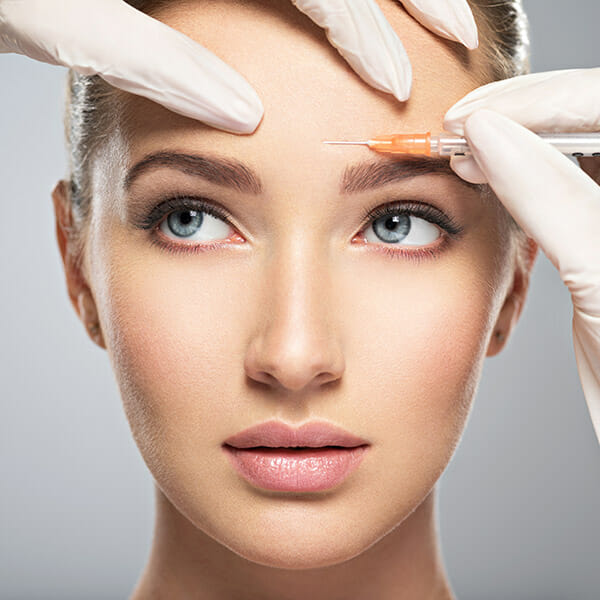
A Botox facial is a new skin-rejuvenating technique that delivers serums deep into the skin without affecting muscle movement. It’s similar to microneedling in the sense that tiny sterilized needles are used to puncture the skin to prompt collagen and elastin production. As a bonus, Botox is used to smooth fine lines.
A Botox facial is a great option for people who don’t want a frozen-looking face but rather a more subtle and natural tightening of the skin. Dr. Shahin Javaheri will create a personalized mix of vitamins, nutrients and antioxidants to meet your skincare goals.
Benefits of a Botox Facial Treatment in San Francisco
If you want to plump wrinkles, build collagen and increase your glow, a Botox facial in San Francisco will help you achieve these results. Below are some benefits to expect from this non-invasive procedure:
- Personalized serums. Dr. Shahin Javaheri will create a personalized serum using a variety of vitamins and nutrients to smooth fine lines, build collagen, and add more glow to your skin. Some of the most common ingredients used in the serums are:
-
- Vitamin A and C. These vitamins strengthen the skin and make it more radiant.
- Hyaluronic acid. This anti-aging substance builds collagen to make you look younger.
- Botox. Botox is added to the serum to tighten the skin without freezing the muscles.
-
-
- Natural appearance. Some people worry about having their Botox injections overdone, but this won’t happen with a Botox facial. The tiny needles and customized skin serums deliver natural-looking results.
- Little downtime. You can enjoy a refreshed appearance within 12 to 24 hours after the procedure, though the full effect can take about 10 days. Some people look slightly windburned the following day, but there isn’t much downtime to this procedure.
Who is a Good Candidate for a Botox Facial Treatment?
If you are considering having a Botox facial treatment done, it’s important to know if you are a good candidate. Dr. Shahin Javaheri can help determine if this treatment will help you reach your skincare goals. In the meantime, any client with the following issues is generally a good candidate for a microinfusion:
- Fine lines or moderate wrinkles
- Uneven skin texture
- Skin looseness
- Diminished texture or tone
- Atrophic acne scars
- Stretch marks
- Sun damage
Even though Botox facials can improve a wide range of skin conditions, they’re not for everything. We generally do not recommend this procedure for treating keloid scars or scleroderma. Also, we do not recommend this procedure for women who are pregnant or nursing, as it’s not safe to inject toxins into the body in case something happens to the baby.
What are the Different Types of Botox Facials?
The Botox facial procedure is the same for all clients – the difference is in the types of ingredients used. The main types of botulinum toxin injections are Botox, Dysport, Jeuveau and Xeomin. Even though they are collectively called “Botox,” they are BoNT-A injectables approved by the FDA for cosmetic use. Each one treats fine lines and wrinkles caused by facial expressions like smiling, frowning, and squinting.
Most clients don’t see a difference between Botox injections, though each one has a slightly different formula and potency because they come from different manufacturers. To determine which one is right for you, along with the vitamins and nutrients that can be added to your serum, schedule a consultation with Dr. Shahin Javaheri.
Preparing for Botox Facial Treatment in San Francisco
Once you have your consultation with Dr. Shahin Javaheri, you can schedule your appointment and start preparing for the procedure. It’s best to have your skin in a calm state, so avoid over-exfoliation. Up until the day before your procedure, wash your face using a light face wash and apply a gentle moisturizer and sunscreen.
Here are the things to avoid 24 hours before treatment:
- No active skincare products
- No tanning beds
- No direct sunlight
- No makeup
- No sunscreen
Dr. Shahin Javaheri will also recommend stopping the use of Retin A, retinol, Vitamin A creams, and other topical medications for 3-5 days before the treatment. Again, you don’t want your skin in a hyperactive state.
What Can I Expect from the Botox Facial Procedure?
The Botox facial combines microneedling (a procedure that uses tiny needle pricks) along with Botox and other antioxidants to improve the skin’s appearance. Here are some benefits to expect by having this procedure done:
- Reduce the appearance of fine lines and wrinkles
- Lighten scars and sun damage
- Tighten sagging skin
- Shrink the size of your pores
- Reduce stretch marks
- Lighten rosacea
- Improve acne and acne scars
During the procedure, the outermost layer of skin is pricked with tiny needles that contain a personalized serum just for you. The needles promote collagen growth and skin regrowth. The procedure is not overly painful, and there are ways to make it more comfortable. The most common side effects include redness and irritation.
Any redness or inflammation will be gone after a few days, though the skin is still healing underneath. This is why it’s important to follow the doctor’s recommendations for post-surgery care. To help with any skin tightness or dryness, you can use a skin moisturizer and SPF.
Potential Risks and Complications of Botox Facial Treatment
Botox facials are generally considered very safe. Microneedling has been practiced for over 20 years, and small doses of Botox are approved by the FDA. Between 1989 and 2003, there were only 36 cases of adverse effects for Botox. Nevertheless, there are still things to be aware of depending on your skin type and the level of your plastic surgeon.
Botox facials tend to be comfortable with a short recovery period and little risk. Some possible complications to watch for are bleeding, bruising, infection, scarring and pigment problems. By choosing a knowledgeable and experienced plastic surgeon like Dr. Shahin Javaheri, these risks are minimized.
How Long Will the Results of a Botox Facial Last?
Botox lasts an average of 3-6 months, and it’s safe to do microneedling treatments every 4-6 weeks. How many treatments you need depends on your goals and how quickly you’re reaching them. Some people only need 3-6 months’ worth of treatments before they get their desired results. Others have this procedure done more often to continue building collagen and maintaining their glow.
Botox Facial FAQs
Below are some of the most frequently asked questions about Botox facials.
What is a Botox facial?
A Botox facial uses microneedling to deliver serums deep into the skin. Botox is added to the serum, along with other antioxidants, vitamins and nutrients to meet your skincare needs. It’s a non-invasive procedure that has a low recovery time and quick improvements.
Is Botox facial treatment safe?
A Botox facial is a safe procedure. It’s more comfortable than microdermabrasion and has a low rate of adverse effects. Most people experience some redness and irritation that feels similar to windburn if that. By the third day, most people are healed and have their normal facial appearance restored.
How much does Botox facial treatment cost in San Francisco?
On average, a Botox facial costs between $200 to $700 or more. Keep in mind that most people need more than one treatment, so you could end up spending anywhere from $600 to $5,000 over time. Other factors that affect the cost of your treatment include the experience of the surgeon, the location of the surgeon, and the types of ingredients used in your serum.
How do I know if a Botox facial is right for me?
If you’re looking for a non-invasive way to treat fine lines, acne scars, and enlarged pores, you can probably benefit from a Botox facial. Because the needles are so small, they can target hard-to-reach places like around the eyes, nose, and lips. You can also address other problems by adding nutrients like vitamins A and C into your serums.
How do I book a consultation for Botox facial treatment in San Francisco?
To book a consultation with Dr. Shahin Javaheri in San Francisco, call or text us at 415-923-3800. You can also fill out this form and schedule a virtual consultation. All consultations are thorough and will address your personal needs. If the doctor feels that you could benefit from a different procedure, he will discuss this with you at this time.
*Results for each patient will vary. Please remember that the information provided will not guarantee your eligibility for treatment. Consultation and medical examination must be completed before approval.
For more information on Botox®, click the PDF files below.
BOTOX® Cosmetic Safety Information
Summary of Information about BOTOX® Cosmetic
BOTOX® Cosmetic before-and-after photo files