San Francisco Tummy Tuck
Performed by Dr. Javaheri
About Tummy Tuck
Are you a Candidate for a Tummy Tuck?
About the Procedure
What to Expect After your Surgery
Your Recovery
Possible Complications
About The Tummy Tuck Procedure
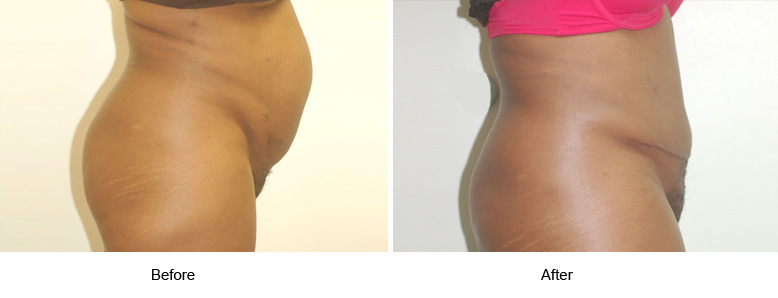
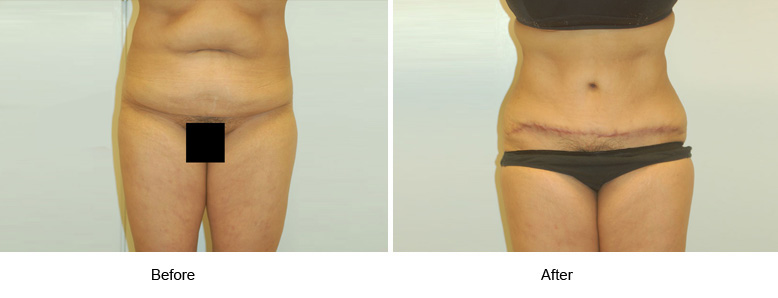
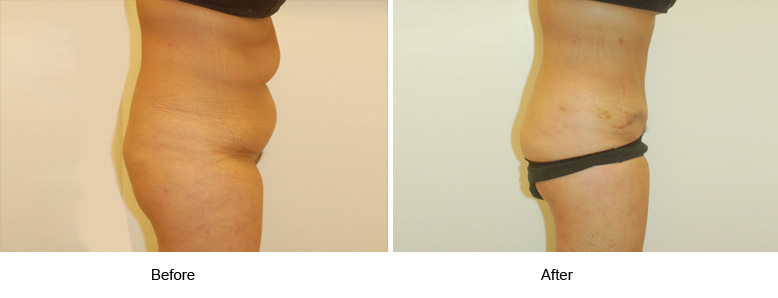
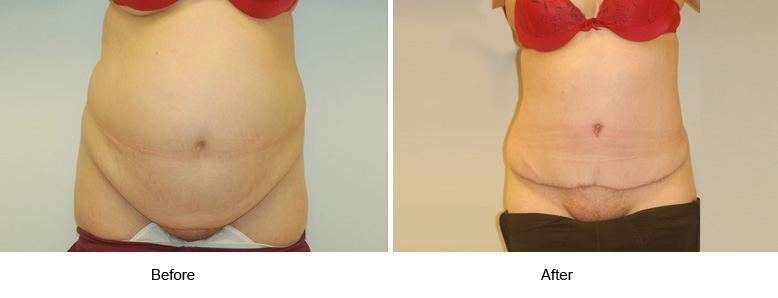
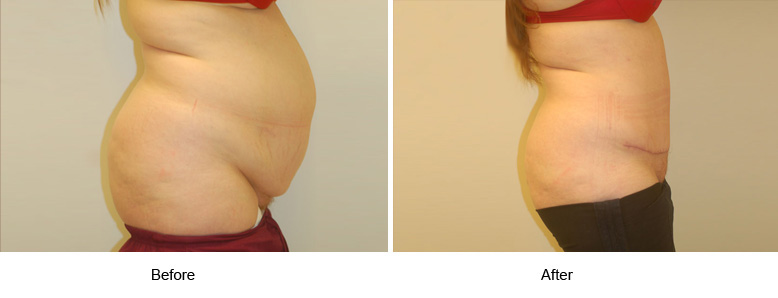
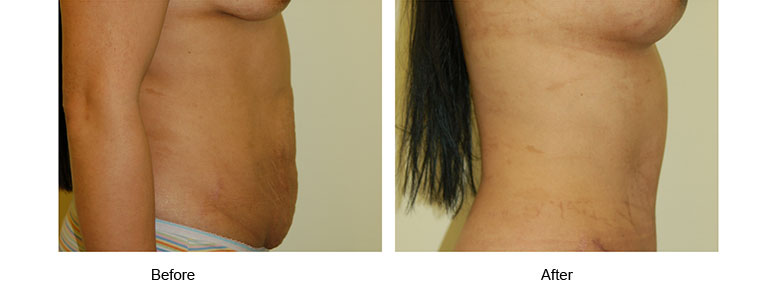
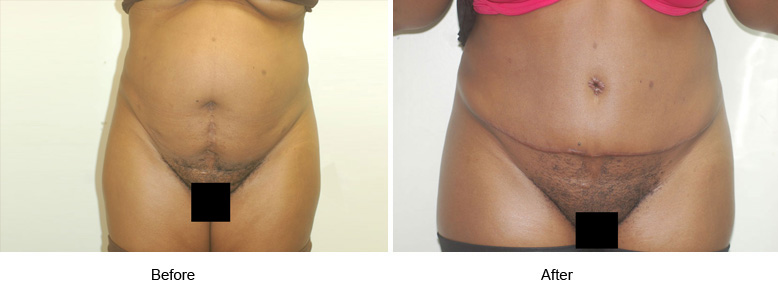
Commonly known as a “tummy tuck”, abdominoplasty, is a surgical procedure to remove excess skin and fat from the lower and middle abdomen, and to tighten the muscles of the abdominal wall. For most patients, the procedure can dramatically reduce the appearance of a protruding abdomen, and improve your overall appearance and self-confidence.
Are You a Candidate for Tummy Tuck?
The best candidates for abdominoplasty are men or women who have a fat deposit or loose abdominal skin around their abdominal area that has not responded to traditional diet or exercise. In particular, women have stretched their abdominal muscles and skin beyond the point where they can return to normal naturally due to multiple pregnancies (see the mommy makeover procedure) find the procedure very helpful. Individuals who have experienced massive weight loss are also great candidates for this procedure. In addition, older patients experiencing the loss of skin elasticity, which often occurs with minor obesity, can also see improvement with this procedure.
About the Procedure
In most cases, your plastic surgeon will make two incisions: one long incision from hipbone to hipbone just above your pubic area, and a second incision to free your navel from the surrounding tissue. The skin is separated from the abdominal wall up to the ribs revealing the vertical muscles in your abdomen. These muscles are then tightened by pulling them close together and stitching them into their new position, resulting in a firmer abdominal wall and narrower waistline.
The excess skin is then stretched back down and removed. A new hole is cut for your navel and stitched into place. Finally, the incisions will be stitched, surgical dressings will be applied, and a temporary tube may be inserted to drain excess fluid from the surgical site if necessary.
An abdominoplasty is performed under general anesthetic. The surgery normally takes between two to five hours depending on the extent of the surgery. The surgery is normally performed on an outpatient basis, but in some circumstances, an overnight hospital stay may be required.
What to Expect After Your Surgery
In the first few days following your procedure, your abdomen will be swollen and you will probably experience some pain and discomfort, which can be controlled with medication. In most cases, you will be released within a few hours. In certain cases, or you may have to remain hospitalized for two to three days depending on the extent of your surgery.
Dr. Javaheri will provide you with instructions for showering and changing your dressings. Though you may not be able to comfortable stand upright at first, it is important that you start walking as soon as possible to prevent blood clots. The surface stitches will be removed in five to seven days following your procedure, and the deeper sutures, will be removed in two to three weeks.
Your Recovery
The stronger your abdominal muscles, the faster you can expect your recovery to progress. Most people return to work after two weeks, while others take three or four weeks to rest and recuperate. Exercise will help you heal faster, though vigorous exercise should be avoided until it can be performed comfortably and safely.
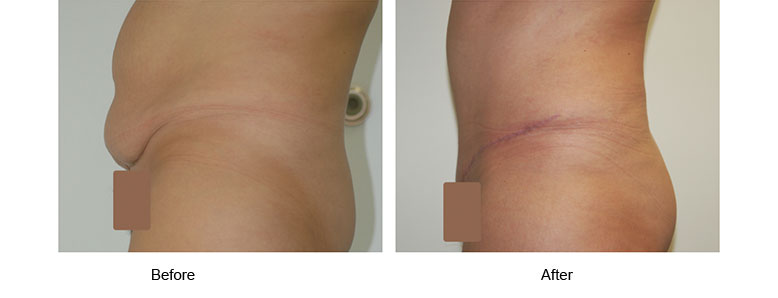
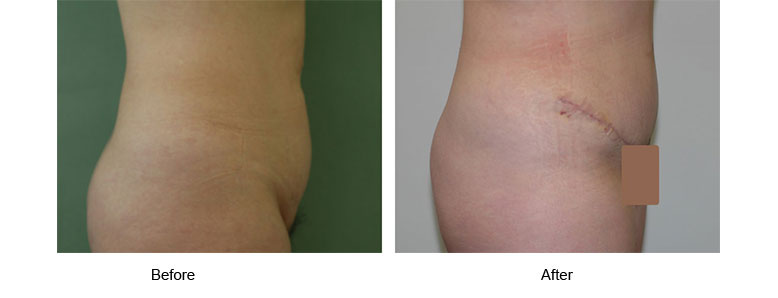
As with any cosmetic procedure, there will be some scarring. You should expect the scars to be red, raised, lumpy and even itchy, but they will fade and flatten with time as the healing process takes place. Please keep in mind the healing process can take up to 2 years to fully complete. To expedite and facilitate this process, daily massaging of the scars will be advised. While your scars will never completely disappear, most scars resulting from abdominoplasty will not show under most clothing, or even under most bathing suits.
Possible Complications
Individuals vary greatly in their anatomy, their physical reactions, and their healing abilities, and the outcome is never completely predictable. As with any surgical procedure, the risk of infection is always a possibility. This can be minimized by the preventative administration of antibiotics both at the time of your surgery and during recovery. However, on occasion, mild infection can occur and is relatively common, although it usually subsides after two weeks. Early mobilization by moving around following your surgery can reduce the risks of blood clots.
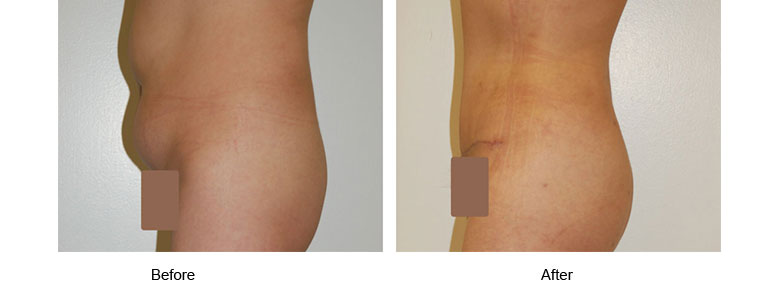
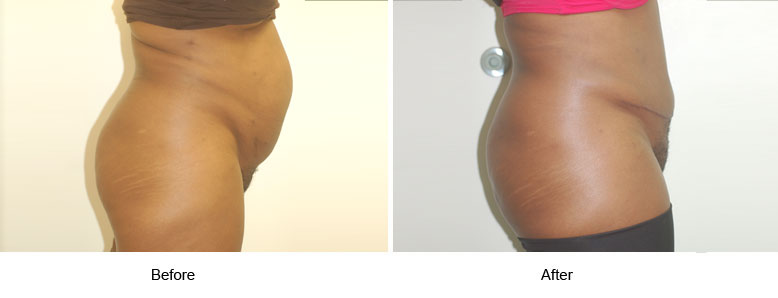
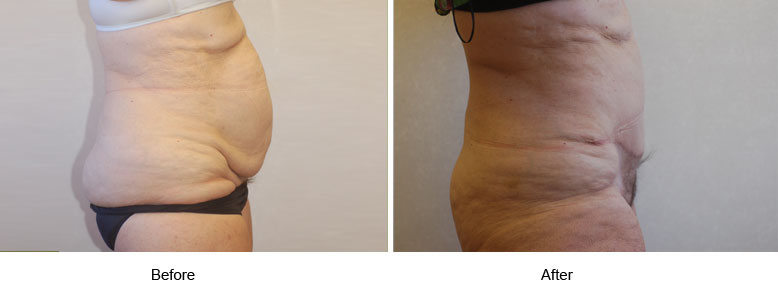
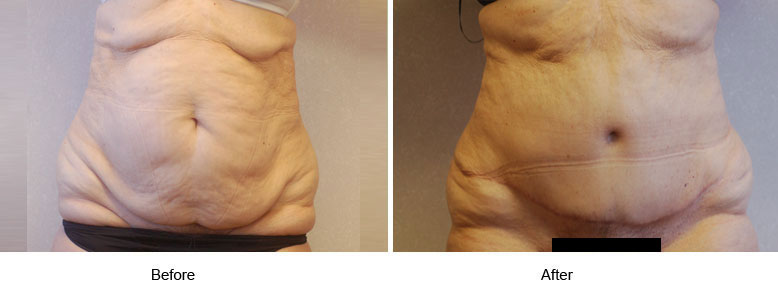
Tummy Tuck Before & After Photos
Call 415.923.3800 to schedule an appointment to discuss a tummy tuck in San Francisco or Berkeley with breast and body specialist Shahin Javaheri M.D.